
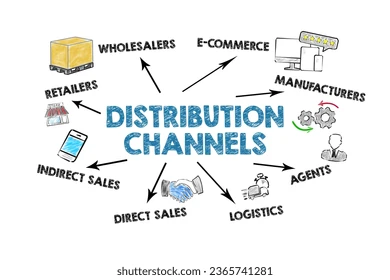
Let’s keep it simple. A channel distribution strategy is the plan businesses use to deliver their products or services to customers. Think of it like a road map—how your product travels from your warehouse to the customer’s hands. Sounds basic, right? But here’s the catch: the path you choose can make or break your business.
At its core, distribution is about placing the right product in front of the right customer at the right time. According to research, distribution involves everything from logistics and transportation to selecting intermediaries like wholesalers and retailers . If your distribution strategy is weak, even a great product can fail. On the other hand, a strong distribution network can turn an average product into a market leader.
Types of Distribution Channels
Businesses don’t rely on just one method. There are multiple types of channels they can use:
- Direct channels – selling directly to customers (like your website)
- Indirect channels – using middlemen like distributors or retailers
- Hybrid channels – combining both online and offline methods
Each type has its own advantages, and the best strategy usually involves a mix of these channels.
Importance of Channel Distribution Strategy
Role in Marketing Mix
You might have heard about the 4Ps of marketing—Product, Price, Place, and Promotion. Distribution falls under “Place,” and it’s more powerful than most people realize. Why? Because even if your pricing and promotion are perfect, your product won’t sell if it’s not available where customers want it.
A strong channel distribution strategy ensures that your product is always accessible. It connects your marketing efforts with real-world sales. Without it, your marketing is like shouting into the void—no one hears you.
Impact on Customer Reach
Imagine you sell amazing products, but only in one city. Your growth is limited. Now imagine expanding through distributors, e-commerce platforms, and retail stores. Suddenly, your reach multiplies.
Companies that invest in distribution often see massive growth. In fact, expanding channel reach can significantly increase sales and market penetration by connecting businesses to new customer segments . This is why distribution is not just a support function—it’s a growth engine.
Key Components of a Successful Distribution Strategy
Channel Selection
Choosing the right channel is like choosing the right battlefield. Sell luxury products in a discount store, and your brand loses value. Sell everyday items only through premium channels, and you lose customers.
Smart businesses analyze:
- Target audience behavior
- Buying preferences
- Geographic location
Then they choose channels accordingly.
Logistics and Supply Chain
Distribution is not just about selling—it’s about delivering efficiently. Fast delivery, proper storage, and inventory management all play a role.
Metrics like inventory turnover and sell-through rate help businesses measure efficiency and identify problems in the distribution system . If your logistics are weak, your entire strategy collapses.
Partner Relationships
Your distributors and retailers are not just middlemen—they are partners. Building strong relationships with them ensures:
- Better product placement
- Higher sales priority
- Long-term growth
Types of Distribution Channels Explained
Direct Distribution
Here, businesses sell directly to customers—through websites, apps, or physical stores. This gives full control over pricing and branding.
Indirect Distribution
In this model, businesses rely on intermediaries like wholesalers and retailers. It helps expand reach quickly without heavy investment.
Hybrid Distribution
Most modern businesses use a mix of both. For example, selling on your website and through marketplaces like Amazon.
Benefits of Channel Distribution Strategy
Market Expansion
A well-planned channel distribution strategy allows businesses to enter new markets without setting up physical stores everywhere. By partnering with distributors, companies can reach customers in different regions easily.
Increased Sales
More channels mean more opportunities to sell. It’s that simple. Businesses using multiple channels often experience higher revenue because they are present wherever customers are.
Better Customer Experience
Customers want convenience. They want to buy where they feel comfortable—online, offline, or both. A strong distribution strategy ensures that customers have multiple options, improving satisfaction and loyalty.
Role of Distribution Network Consulting
What is Distribution Network Consulting?
Distribution network consulting is a service where experts analyze and improve a company’s distribution system. They study your current setup, identify gaps, and suggest better strategies.
Think of them as doctors for your business network—they diagnose problems and prescribe solutions.
How Consultants Help Businesses
Consultants help businesses:
- Optimize distribution channels
- Improve logistics efficiency
- Expand market reach
- Increase profitability
Many consulting firms focus on building customized distribution strategies that align with business goals and market conditions . This ensures long-term growth rather than short-term gains.
How to Build an Effective Distribution Network
Market Research
Start by understanding your customers. Where do they shop? What platforms do they trust? This information helps you choose the right channels.
Channel Mapping
Identify all possible distribution channels and evaluate them based on:
- Cost
- Reach
- Profitability
Channel mapping helps businesses find the most effective paths to customers.
Performance Tracking
You can’t improve what you don’t measure. Track key metrics like:
- Sales per channel
- Customer acquisition cost
- Inventory turnover
These insights help refine your strategy over time.
How to Build an Effective Distribution Network
Channel Conflict
Sometimes, different channels compete with each other. For example, selling cheaper online than in stores can upset retailers. Around 66% of businesses report channel conflict as a major issue .
The solution? Maintain balance and clear pricing strategies.
Inventory Issues
Too much inventory leads to losses. Too little leads to missed sales. Managing inventory efficiently is one of the biggest challenges in distribution.
Real-World Examples of Distribution Strategy
E-commerce Brands
E-commerce brands rely heavily on digital channels. They use websites, apps, and marketplaces to reach customers globally.
Retail Companies
Retail companies often use a mix of physical stores and online platforms. This omnichannel approach helps them maximize reach and sales.
Future Trends in Distribution Strategy
Digital Transformation
Technology is changing everything. Businesses are using data analytics, AI, and automation to improve distribution efficiency.
Omnichannel Growth
The future is omnichannel. Customers expect a seamless experience across all platforms—online and offline. Businesses that adapt to this trend will dominate the market.
Conclusion
A strong channel distribution strategy is not just about moving products—it’s about driving growth. It connects your business with customers, expands your reach, and increases your revenue. Whether you’re a startup or an established company, investing in the right distribution strategy can transform your business.
And if you’re unsure where to start, distribution network consulting can provide the expertise you need to build a powerful and scalable distribution system.